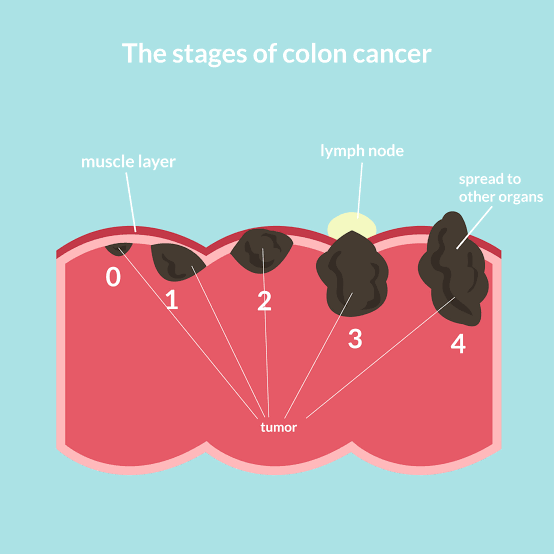
Did you know it can take about 10 years for a harmless polyp to turn into bowel cancer?
Bowel cancer (also known as colorectal cancer) is one of the most common cancers worldwide and also one of the the most preventable. Yet screening rates remain stubbornly low in many countries, often for reasons of people feeling squemish, assuming that they’re not at risk, or simply put it off.
Why Bowel Screening Matters
Source: Bowel Cancer Australia
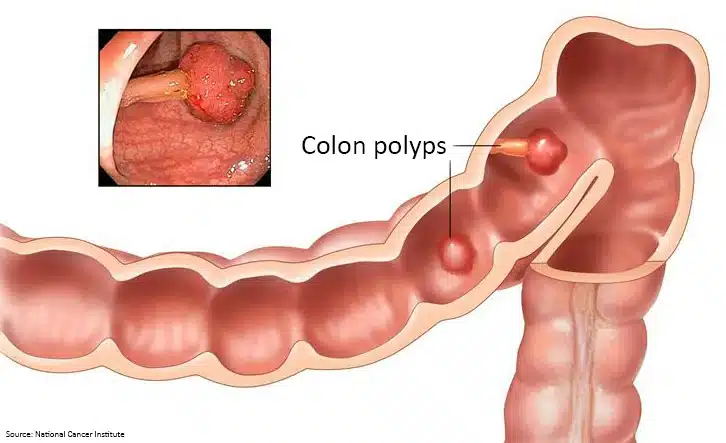
Bowel cancer often develops slowly, starting as small growths called polyps on the inner lining of the bowel.
It usually grow into 2 shapes: flat or white with a stalk. They can vary in sizes, ranging from couple of millimeters to several centimetres.
This slow progression is what makes screening so powerful: it can catch polyps before they become cancer, or catch cancer at an early stage when treatment is far more likely to succeed.
When bowel cancer is detected early, survival rates are dramatically higher than when it’s found at a late stage. The problem is that early bowel cancer often has no symptoms at all, which is exactly why screening (rather than waiting around for symptoms) is so important.
Who should get Screened?
- If you are between the ages of 45 to 50, you are considered average risk.
- If you have a family history of bowel cancer, personal history of polyps, or a condition like inflammatory bowel disease, inform your doctor as they might recommend starting earlier and screening more frequently
How do get screened?
- Ages 45 to 74 (average risk): use an at-home immunochemical faecal occult blood test (iFOBT/FIT) every 2 years
- Ages 50 to 74: will automatically receive a free kit mailed to your Medicare address
- Ages 45 to 49: can request for a free kit online via the National Cancer Screening Register or by calling 1800 627 701
If you are unsure whether you should get screened, speak to one of our doctors during an appointment to clarify your personal risk and the right screening schedule for you.
What the Screening actually involves
The FIT Test (Faecal Immunochemical Test)
This is the most common first-line screening tool. It’s a simple at-home kit and follow the steps below:
- Collect a small stool sample using the tool provided
- Seal the sample and send it to the lab (often by mail, address will be written on the letter)
- The lab will check for tiny traces of blood that aren’t visible to the naked eye
- Blood in stool or rectal bleeding
- A persistent change in bowel habits (diarrhoea, constipation, or narrower stools) lasting more than a few weeks
- Unexplained abdominal pain, bloating, or cramping
- Unintended weight loss
- Persistent fatigue or symptoms of anaemia
These symptoms have many possible causes, most of them unrelated to cancer but they should always be checked out rather than ignored.
Did you know?
- Bowel Cancer is the 3rd deadlist cancer in women
- Regular bowel screening tests and/or colonoscopies can aid in early detection and better recovery
- We have free bowel screening tests available for patients – check with your Dr at your next visit
Bowel screening a quick, private, and one of the most effective tools to prevent cancer deaths.
If you’re in the eligible range and haven’t done your screening test, it’s worth taking a few minutes to complete it or booking a chat with your GP if you’re not sure what to start.
This post is for general information only and isn’t a substitute for personalised medical advice. If you have concerns about your bowel health or screening eligibility, book an appointment in with your doctor.